2024- To assist Luzerne County with the application and distribution of ARPA funds, The Institute proposed a thorough study and strategy on housing, price points, and housing needs. The study summarized the findings and presented recommendations on locations (for new construction, infill and redevelopment), type of housing, and pricing considerations. The study discussed blight and remediation. The study presented housing needs and recommendations to assist in the development of needed housing, and programs, zoning, and policies to support appropriate development.
June 2006- The Institute conducted an overview of Luzerne County and the economic implications of being considered a destination for visitors. The Institute conducted several street surveys, online surveys, business and community leader interviews, and two public forums. The forums were held in downtown Hazleton and Wilkes-Barre Township. Residents and business leaders attended the interactive event and were provided the opportunity to voice opinions about tourism and offer insight on how Luzerne County should be marketed to visitors and residents. In addition, The Institute researched several case studies in order to uncover areas in which new tourism experiences could be created for Luzerne County. Strategies were developed for attracting visitors to the county with an emphasis on quality of place and recreational opportunities.
2005- The Institute was hired to create a county-wide directory to encourage municipal cooperation. The directory was constructed on two levels: a hard copy and a web version. The hard copy contained contact information on officials from each of the county’s 76 municipalities, and elected officials on the county, state and federal levels. The directory also provided success stories of regional efforts for shared services amongst the county and municipalities. The web version provided more detail on each municipality, including a biographical and demographical glimpse of each community. Also included in the web version is a member-only section where each municipality can interact and encourage dialog to promote shared services among each other. Both versions were showcased at the Municipal Cooperation Committee meeting on October 21, 2005.

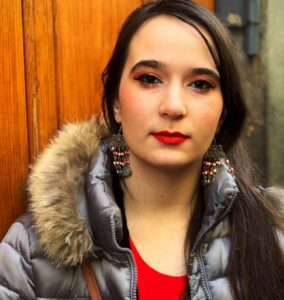
 Dr. Jolene Carey-Pace joined The Institute Team in 2021 as a Research Analyst. In 2023, she was named Senior Research & Policy Analyst.
 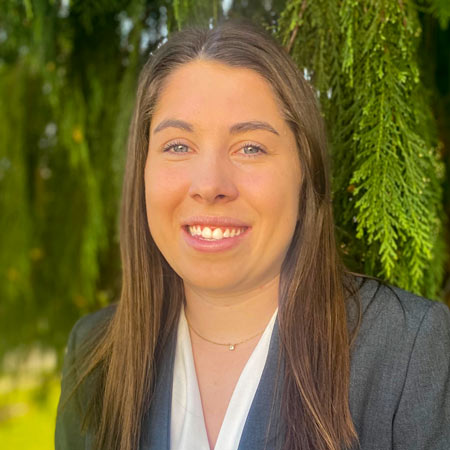 Sarah, a former Institute intern, joined The Institute in April 2021 as a Research Assistant. She started her new role as a Research Analyst in January 2024.
 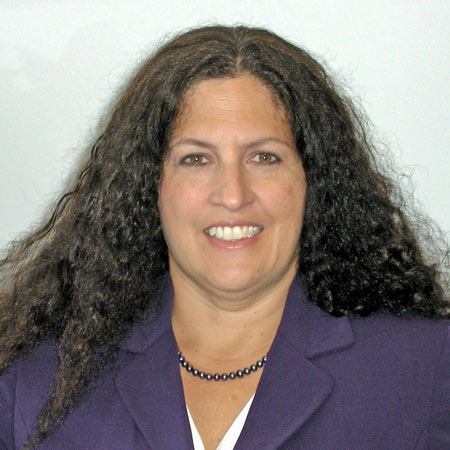 Ooms is responsible for all facets of research, organizational strategy, and management. Ooms is an active principal investigator in all Institute research. Ooms has been nationally recognized as a leader in regional economic development. She turned that skill into a research institute to help other regions develop and prosper. Her strategic skills have allowed The Institute to expand its services to the private and non-profit sectors for research and analysis in community health needs assessments, strategic planning, market and feasibility studies, and economic impact analysis.
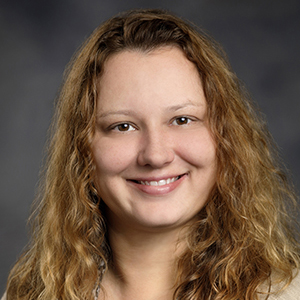 Jill Avery-Stoss joined The Institute in June 2018 to fill the newly-created role of Research, Data, Intern & Administrative Coordinator. She assists with the collection and management of data for purposes of ethical and efficient analysis. She visits partner campuses to market The Institute’s internship opportunities, and participates in event-planning logistical activities as well. In 2021, Jill was promoted to Director of Operations to reflect the diversity in her job description and the additional marketing and communication functions she successfully mastered in 2020. In 2022, Jill was named Chief Operating Officer after expanding into both research and administrative management functions. Jill is taking on project management, fundraising, and other executive leadership functions of the organization. In 2024, Jill Avery-Stoss assumed the role of President of The Institute, effective January 2025.