May 2024: The Institute conducted the feasibility of establishing a collaborative effort to expand clinical rotations and preceptors based in nursing homes by using an evidence-based model. If positive, a foundation funded pilot is likely to occur. The Institute created a matrix of nursing homes in the Moses Taylor Foundation (MTF) geographic footprint. Data included information on ownership, size, programs, state designations or violations, and number of employees by type, if available.
2018 – 2023: The Institute served as the program evaluator for the new MTF five-year strategic initiatives – school-based health and senior isolation. These two initiatives were the cornerstone of the MTF efforts through 2023. Working with the Foundation, The Institute developed metrics and protocol to measure outcomes through a formal evaluative process.
January 2019 – April 2020: The U.S. Decennial Census is the only vehicle used as a means to determine a state’s congressional representation as well as funding for a variety of public education, health, housing, and children’s’ program funding. Estimates are built from the decennial census each year until the next decennial census. Therefore, it is essential that all citizens be counted in the current decennial census. The ramifications of under counting will adversely affect all residents in a state for the next 10 years. The Institute created information and materials to provide that education. Materials were prepared in multiple languages and at appropriate literacy level based on the audience. Materials were prepared for citizens that need to learn about the Census project and be counted, for intermediaries that can assist citizens, and for the media to assist in the education and informing process.
2018: The Institute acted as a consultant to help MTF adopt strategic initiatives for the allocation of resources to address senior isolation and school-based health. Responsibilities included gathering data, preparing research briefs and assisting with two retreats.

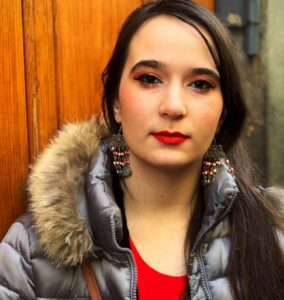
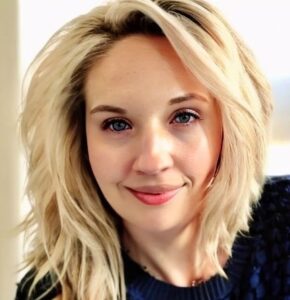 Dr. Jolene Carey-Pace joined The Institute Team in 2021 as a Research Analyst. In 2023, she was named Senior Research & Policy Analyst.
 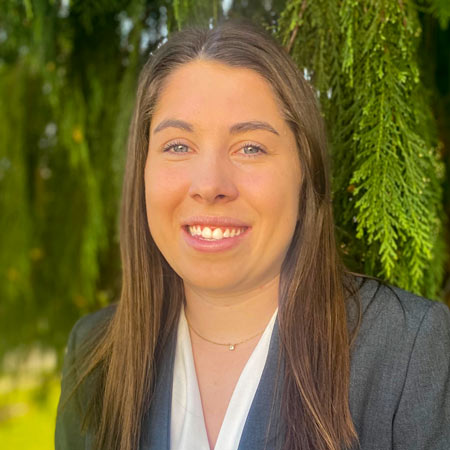 Sarah, a former Institute intern, joined The Institute in April 2021 as a Research Assistant. She started her new role as a Research Analyst in January 2024.
 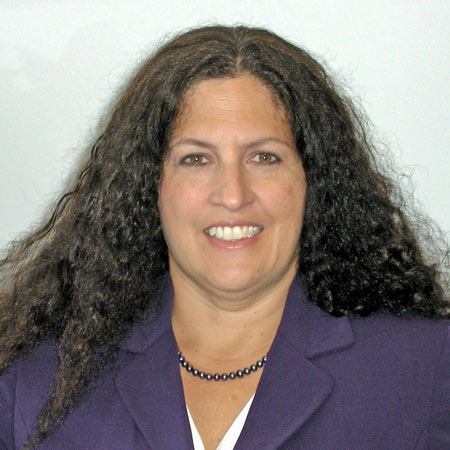 Ooms is responsible for all facets of research, organizational strategy, and management. Ooms is an active principal investigator in all Institute research. Ooms has been nationally recognized as a leader in regional economic development. She turned that skill into a research institute to help other regions develop and prosper. Her strategic skills have allowed The Institute to expand its services to the private and non-profit sectors for research and analysis in community health needs assessments, strategic planning, market and feasibility studies, and economic impact analysis.
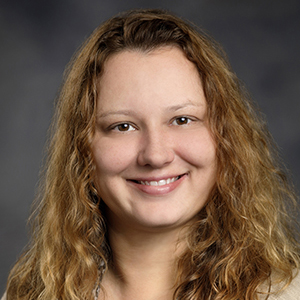 Jill Avery-Stoss joined The Institute in June 2018 to fill the newly-created role of Research, Data, Intern & Administrative Coordinator. She assists with the collection and management of data for purposes of ethical and efficient analysis. She visits partner campuses to market The Institute’s internship opportunities, and participates in event-planning logistical activities as well. In 2021, Jill was promoted to Director of Operations to reflect the diversity in her job description and the additional marketing and communication functions she successfully mastered in 2020. In 2022, Jill was named Chief Operating Officer after expanding into both research and administrative management functions. Jill is taking on project management, fundraising, and other executive leadership functions of the organization. In 2024, Jill Avery-Stoss assumed the role of President of The Institute, effective January 2025.